

Latest Post
The Essential Guide to Logistics: Moving Goods Efficiently in a Globalized World
Introduction
In today’s interconnected world, logistics plays a vital role in ensuring that products move seamlessly from manufacturers to consumers. It encompasses the planning, implementation, and control of the efficient flow and storage of goods, services, and related information. Whether you’re a business owner, a supply chain professional, or simply curious about how products reach your doorstep, understanding logistics is key to appreciating the complexities of our global economy.
What is Logistics?
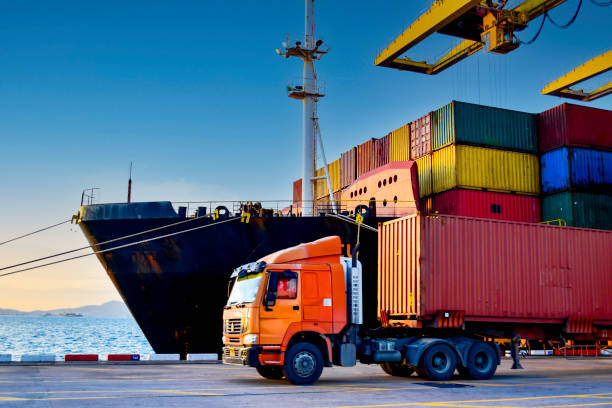
Logistics involves the detailed coordination of complex operations involving transportation, inventory management, warehousing, packaging, and distribution. The primary goal is to deliver the right product to the right place, at the right time, and in the right condition, all while optimizing costs.
Components of Logistics
Transportation: The movement of goods via air, sea, rail, or road. Choosing the right mode depends on factors like cost, speed, and nature of goods.
Warehousing: Storage solutions that ensure products are kept safely and are readily available for distribution.
Inventory Management: Balancing stock levels to meet demand without overstocking or stockouts.
Order Fulfillment: Processing customer orders efficiently, from picking and packing to shipping.
Supply Chain Management: Overseeing the entire flow of goods, information, and finances from origin to consumption.
The Importance of Logistics
Customer Satisfaction: Efficient logistics ensures timely delivery, enhancing customer experience.
Cost Reduction: Optimized logistics reduces transportation and storage costs.
Competitive Advantage: Companies with superior logistics can respond faster to market changes.
Global Reach: Logistics enables businesses to operate internationally, tapping into new markets.
Emerging Trends in Logistics
Digitalization and Automation: Use of AI, IoT, and robotics for smarter, faster operations.
Sustainable Logistics: Focus on eco-friendly practices to reduce carbon footprints.
Last-Mile Delivery Innovations: Drones, autonomous vehicles, and locker systems to improve delivery efficiency.
Data Analytics: Leveraging big data for better demand forecasting and route optimization.
Challenges in Logistics
Volatility in fuel prices
Supply chain disruptions (e.g., pandemics, natural disasters)
Regulatory compliance across different regions
Managing complex global networks
Conclusion
Logistics is the backbone of modern commerce, ensuring that products reach consumers efficiently and reliably. As technology advances and global markets expand, innovative logistics solutions will become even more critical in maintaining supply chain resilience and sustainability. Whether you’re a business leader or a consumer, understanding logistics helps appreciate the intricate processes that bring products from factories to your hands.
Understanding Supply Chain Management: The Backbone of Modern Business
Introduction
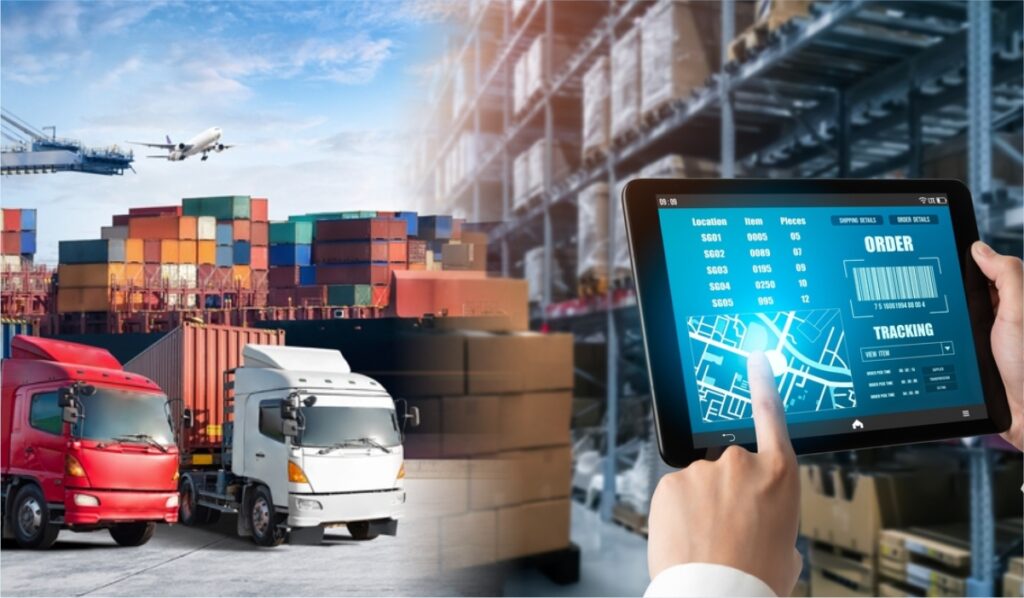
In the competitive landscape of today’s global economy, effective supply chain management (SCM) is crucial for businesses aiming to deliver products efficiently, reduce costs, and satisfy customers. While logistics focuses on the movement and storage of goods, supply chain management encompasses the broader coordination of all activities involved in producing and delivering products or services from raw materials to end consumers.
What is Supply Chain Management?
Supply chain management is the strategic oversight of all processes involved in sourcing, procurement, conversion, and logistics. It also includes coordination and collaboration with channel partners, such as suppliers, intermediaries, third-party service providers, and customers. The goal is to maximize value, ensure seamless flow, and create a competitive advantage.
Core Components of Supply Chain Management
Planning: Developing strategies for procurement, production, and distribution to meet demand efficiently.
Sourcing: Selecting suppliers and managing relationships to ensure quality and timeliness.
Manufacturing: Converting raw materials into finished products through efficient production processes.
Logistics and Delivery: Moving finished goods to warehouses and customers.
Return Management: Handling returns, recycling, and disposal of products.
Why is Supply Chain Management Important?
Cost Efficiency: Optimized supply chains reduce waste, inventory costs, and transportation expenses.
Customer Satisfaction: Reliable delivery and product availability improve customer loyalty.
Risk Management: Proactive strategies mitigate disruptions caused by natural disasters, geopolitical issues, or supplier failures.
Innovation: Collaboration across the supply chain fosters innovation and continuous improvement.
Key Trends in Supply Chain Management
Digital Transformation: Adoption of ERP systems, blockchain, and AI for real-time tracking and transparency.
Resilience Building: Developing flexible supply chains capable of withstanding disruptions.
Sustainability: Incorporating eco-friendly practices, such as green sourcing and reducing carbon footprints.
Global Collaboration: Leveraging international partnerships for cost savings and market expansion.
Challenges Facing Supply Chain Managers
Managing complex, multi-tier supplier networks
Navigating regulatory compliance across different regions
Addressing geopolitical tensions and trade tariffs
Responding swiftly to unforeseen disruptions like pandemics
Conclusion
Supply chain management is the strategic core that connects raw materials to the end consumer, impacting every aspect of a business’s success. As markets evolve and technology advances, companies that invest in innovative and resilient supply chain practices will be better positioned to thrive in an increasingly competitive landscape.
Transforming Logistics with Artificial Intelligence: The Future of Supply Chain Innovation
Introduction
Artificial Intelligence (AI) is revolutionizing industries across the globe, and logistics is no exception. By harnessing AI technologies, companies are optimizing operations, reducing costs, and enhancing customer experiences. From predictive analytics to autonomous vehicles, AI is shaping the future of logistics in unprecedented ways.
AI in Logistics: An Overview
AI refers to machines and software that mimic human intelligence, capable of learning, reasoning, and problem-solving. In logistics, AI applications help analyze vast amounts of data, automate routine tasks, and make real-time decisions, leading to smarter, more agile supply chains.
Key Applications of AI in Logistics
Predictive Analytics: AI algorithms analyze historical data to forecast demand, optimize inventory levels, and plan transportation routes more accurately.
Route Optimization: Machine learning models determine the most efficient delivery routes, reducing fuel consumption and delivery times.
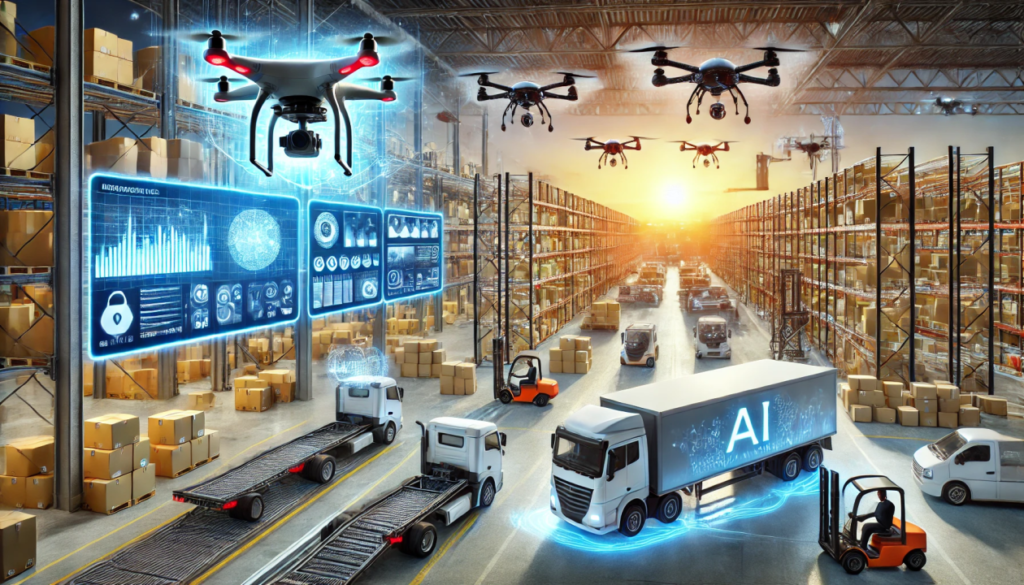
Warehouse Automation: AI-powered robots and drones assist in picking, packing, and inventory management, increasing efficiency and safety.
Autonomous Vehicles: Self-driving trucks and delivery robots are emerging technologies that promise to revolutionize last-mile delivery.
Customer Service: Chatbots and virtual assistants handle inquiries, track shipments, and provide real-time updates, improving customer engagement.
Risk Management: AI detects potential disruptions, such as delays or inventory shortages, enabling proactive responses.
Benefits of AI in Logistics
Increased Efficiency: Automation reduces manual effort and accelerates processes.
Cost Savings: Optimized routes and inventory management lower operational costs.
Enhanced Accuracy: Reduced errors in forecasting, inventory, and delivery.
Better Decision-Making: Data-driven insights facilitate strategic planning.
Improved Customer Experience: Faster, more reliable deliveries and real-time updates.
Challenges and Considerations
Data Quality: AI systems require accurate and comprehensive data for optimal performance.
Implementation Costs: Initial investment in AI technology can be significant.
Skill Gaps: Workforce training is necessary to manage and operate AI tools.
Ethical and Privacy Concerns: Ensuring data security and ethical use of AI.
The Future of AI in Logistics
As AI technology continues to advance, its integration into logistics will deepen. Innovations like quantum computing, AI-driven autonomous fleets, and smarter predictive models are on the horizon, promising even greater efficiency and resilience.
Conclusion
Artificial Intelligence is transforming logistics from a traditionally manual sector into a high-tech, data-driven industry. Embracing AI not only enhances operational performance but also provides a competitive edge in an increasingly fast-paced global market. The future of logistics is intelligent, automated, and interconnected—powered by AI.